Three Flowers a Butterfly: A Designer’s Review
As an embroidery designer who has spent years digitizing patterns for commercial use, I approach every new machine embroidery design with a critical eye. It is not just about whether a pattern looks pretty on a screen; it is about how it performs on fabric, how it holds up in the wash, and most importantly, how it serves the brand identity of the small business owner using it. Today, I am reviewing Three Flowers a Butterfly, a piece that promises a blend of abstract shapes and classical accents. For boutique owners, Etsy sellers, and apparel decorators, understanding the practical application of this design is crucial before committing to production.
First Impressions: Balancing Abstract and Classical
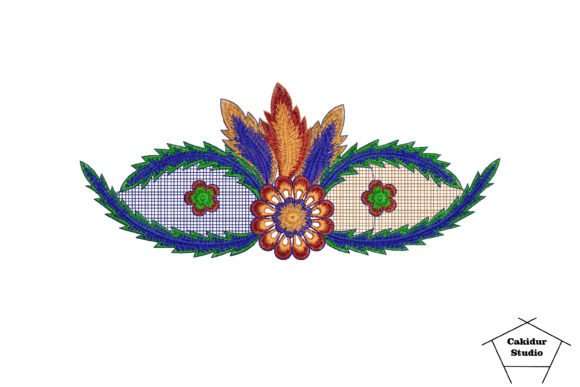
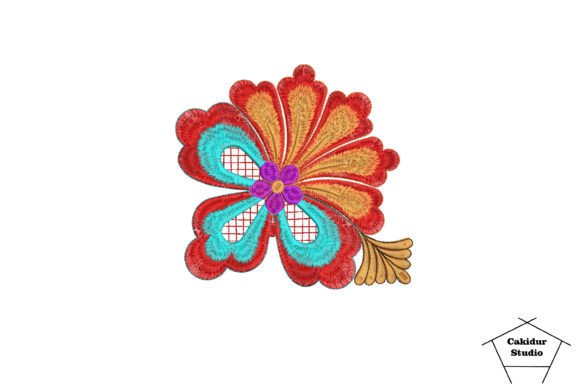
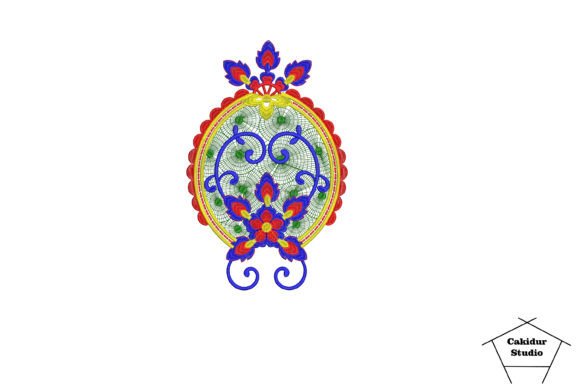
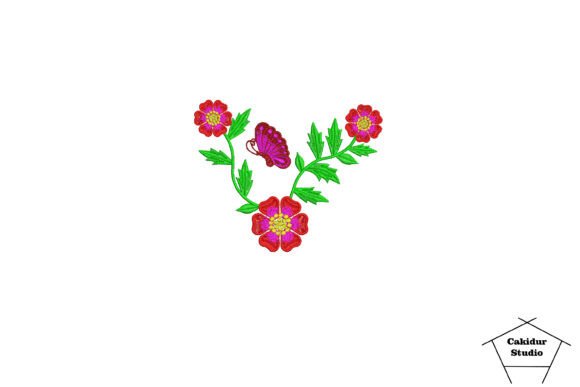
The product description notes that Three Flowers a Butterfly consists of leaves and flowers in abstract shapes, aiming for a fresh and classical accent. From a design perspective, this combination is intriguing. Abstract floral elements often translate better to modern branding than hyper-realistic botanicals because they are less cluttered and more versatile. The inclusion of a butterfly suggests movement and lightness, which can soften the look of rigid corporate uniforms or add a playful touch to handmade goods.
When I visualize this Floral motif, I see potential for a design that feels both premium and approachable. It does not scream "loud" or "aggressive," which makes it ideal for brands that want to convey trust, care, and elegance. Whether you are running a local bakery, a florist shop, or a creative studio, the aesthetic leans towards a curated, artisanal vibe. This is exactly what customers look for when they buy a handmade product or visit a boutique that values presentation.
Real-World Applications for Small Business Merch
The true test of any digital embroidery file is its versatility across different substrates. Here is how I envision Three Flowers a Butterfly performing in real commercial scenarios:
- Embroidered Patches: This is perhaps the strongest use case. An abstract floral design works beautifully as a woven or embroidered patch. You can apply these to denim jackets, canvas tote bags, or even laptop sleeves. For a small business, selling branded patches is a low-risk way to introduce small business merch without committing to large inventory runs of full garments.
- Apron Embroidery: For cafes, bakeries, and florists, staff uniforms are walking billboards. Placing this design on the chest pocket or the upper corner of an apron adds a touch of sophistication. It signals to customers that the staff takes pride in their craft. The "fresh" accent mentioned in the description aligns perfectly with businesses dealing in fresh goods.
- Tote Bag Design: Canvas totes are staples for retail shops. A centered or corner-placed Three Flowers a Butterfly motif can turn a generic bag into a desirable accessory. Ensure the scale is large enough to be seen from a distance but not so large that it distorts the fabric.
- Cap Embroidery: While possible, caps require careful handling. The curved surface of a baseball cap can distort intricate details. If you choose this route, keep the design small and centered on the front panel. It works best for lifestyle brands or garden centers rather than high-impact sports teams.
Technical Considerations and Stitch Density
Before you load this embroidery file into your machine, we need to talk about technical execution. Abstract shapes can sometimes hide poor digitizing, but they can also reveal it if the spacing is off. Since the description does not provide exact stitch counts or density metrics, you must proceed with caution.
Stitch density is a critical factor. If the design is too dense, it will cause puckering, especially on lighter fabrics like cotton tote bags or thin uniform shirts. If it is too sparse, the backing material might show through, ruining the professional look. I strongly advise testing the design on a scrap piece of your actual production fabric. Use the appropriate stabilizer—cut-away for stretchy fabrics like polo shirts, and tear-away for stable wovens like canvas or denim.
Another concern is thread colors. Abstract designs rely heavily on color contrast to define their shapes. If you are embroidering on dark uniforms, ensure the design includes enough light-colored threads or consider adding a satin stitch border to make the flowers pop against the background. Always create a printable mockup first to visualize how the thread colors interact with your garment color.
Brand Identity and Customer Perception
Why does the choice of design matter? Because every stitch contributes to your brand identity. Using a generic clip-art style logo can make a business feel cheap or temporary. In contrast, a well-chosen Three Flowers a Butterfly design suggests attention to detail. It tells your customer that you value aesthetics and quality.
For Etsy sellers and crafters, this design can serve as a signature mark. Imagine placing a small version of this floral motif on the hem of a handmade dress or the corner of a quilt. It acts as a subtle watermark of authenticity. For larger entities like local boutiques, using this design on employee uniforms creates visual consistency. When customers see the same elegant floral motif on the signage, the packaging, and the staff aprons, it builds recognition and trust.
Where to Use Caution
While versatile, this design is not a one-size-fits-all solution. There are specific scenarios where you should hesitate or adjust your approach:
- Tiny Lettering or Details: If the abstract shapes include very fine lines, they may not hold up at small sizes. Avoid shrinking this design below 2 inches unless you have confirmed the digitizing supports such reduction.
- Textured Fabric: Heavy textures like terry cloth or rough linen can swallow up delicate embroidery. If you are using this on textured items, increase the stitch count or simplify the color palette to maintain visibility.
- Frequent Washing: Items like kitchen aprons or gym wear undergo rigorous washing. Ensure your thread quality is high and your locking stitches are secure. Abstract shapes with loose ends can unravel faster than solid blocks of stitching.
Practical Designer Notes for Production
To get the best results from Three Flowers a Butterfly, follow these steps before launching your commercial embroidery run:
- Test in Black and White: Before selecting your brand colors, stitch the design out in black thread on white fabric. This reveals the structural integrity of the digitizing without the distraction of color.
- Check Hoop Size Compatibility: Confirm the required hoop size matches your machine’s capabilities. Do not try to force a large design into a small hoop by resizing it disproportionately, as this alters stitch angles and density.
- Review Commercial Licensing: Never assume a file is free for commercial use. Check the license terms included with the digital embroidery file. Ensure you have the right to sell finished products featuring this design.
- Create Client Mockups: If you are a decorator working for a client, use Photoshop or similar tools to overlay the design on photos of their actual merchandise. This helps manage expectations and secures approval before you stitch a single thread.
In conclusion, Three Flowers a Butterfly offers a promising blend of abstract artistry and classical charm. For the small business owner, it is more than just a pretty picture; it is a tool for enhancing brand value. By paying attention to fabric texture, stabilizer choice, and placement, you can transform this Embroidery pattern into a powerful asset for your merchandise line. Whether it adorns a barista’s apron or a shopper’s tote, let the design work hard for your brand.