Rabbit Chasing Butterfly: A Designer’s Review
As an embroidery designer who has spent years digitizing and testing patterns for commercial use, I approach every new machine embroidery design with a critical eye. It is not enough for a pattern to simply look cute on a screen; it must perform under the needle, hold up in the wash, and elevate the brand identity of the business using it. Recently, I evaluated the Rabbit Chasing Butterfly design, a charming piece within the Animals category that promises to give fabrics an extraordinary look. For small business owners, Etsy sellers, and apparel decorators, this review breaks down how this design functions in real-world applications, from branded patches to custom merchandise.
First Impressions: Visual Personality and Brand Fit
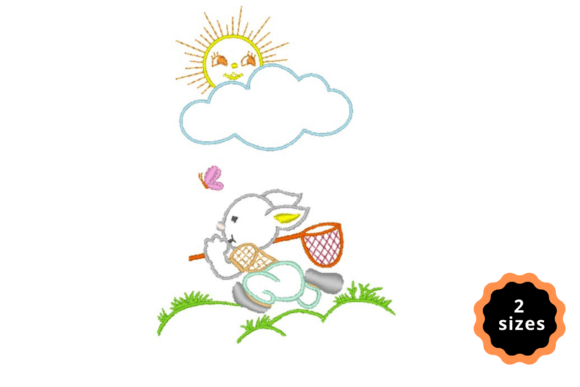
The immediate impression of Rabbit Chasing Butterfly is one of playful elegance. The subject matter—a rabbit in pursuit of a butterfly—suggests movement, whimsy, and a connection to nature. For brands in the boutique, bakery, florist, or pet industry, this visual language is incredibly potent. It feels handmade and approachable, yet when executed with precision, it can appear premium and polished. The design does not scream "corporate"; instead, it whispers "artisan." This makes it an excellent candidate for businesses that want to project warmth and creativity rather than rigid professionalism.
However, "adorable" can sometimes translate to "childish" if not handled correctly. The key to leveraging this design for a broader audience lies in the execution. By selecting sophisticated thread colors and placing the motif strategically, you can shift the perception from juvenile to whimsical-chic. This versatility is crucial for small business merch, where your customer base might range from young parents to adults seeking unique, handcrafted goods.
Real-World Applications for Small Business Merchandise
When considering where to place Rabbit Chasing Butterfly, we must look beyond the standard t-shirt. Here is how this design performs across various commercial embroidery projects:
- Embroidered Patches: This is perhaps the strongest use case. An embroidered patch allows for quality control before application. You can stitch the design on sturdy twill or felt, cut it out, and sell it as a standalone product or apply it to jackets and bags. The contained nature of a rabbit and butterfly scene works well within circular or organic-shaped patch borders.
- Apron Embroidery: For bakeries, florists, and craft studios, branded aprons are walking advertisements. Placing this design on the chest pocket or the lower corner of an apron adds a touch of personality. It signals to customers that the staff cares about details, enhancing the overall service experience.
- Tote Bag Design: Canvas tote bags are staples for eco-friendly brands. The Rabbit Chasing Butterfly motif serves as a beautiful central accent. Because canvas has a visible weave, ensuring the stitch density is appropriate is vital to prevent the fabric from puckering.
- Cap Embroidery: While possible, caps require caution. The curved surface of a cap front can distort detailed designs. If you choose this route, simplify the color palette and ensure the hoop size accommodates the curvature without pulling the fabric too tightly.
- Product Packaging Accents: Imagine this design stitched onto a small fabric tag attached to handmade soaps, candles, or knitwear. It acts as a seal of quality, turning a simple product into a giftable item.
Technical Considerations and Production Notes
From a technical standpoint, the description notes that this machine embroidery design comes with multiple formats, which is essential for compatibility with various machines. However, the phrase "multiple embr" suggests there may be variations in size or format included. Before committing to a large production run, you must verify the specific file formats (such as PES, DST, or JEF) to ensure they match your equipment.
Stitch Density and Fabric Texture
One of the most common pitfalls in commercial embroidery is ignoring fabric texture. Rabbit Chasing Butterfly likely contains areas of fill stitch for the rabbit’s body and satin stitches for outlines. On textured fabrics like linen or heavy canvas, low-density fills may allow the background to show through, creating a patchy look. Conversely, on delicate silks or thin cottons, high stitch density can cause puckering. Always test the design on your actual substrate. If the design feels stiff, consider using a lighter stabilizer or adjusting the tension.
Color Contrast and Thread Selection
The success of this design hinges on thread colors. A rabbit chasing a butterfly offers a natural opportunity for contrast. However, avoid using colors that blend too much with the garment. For example, a white rabbit on a light gray shirt will vanish. Use strong contrasts to make the design pop. Additionally, consider how the design looks in black and white. If the silhouette loses its definition without color, the design may rely too heavily on hue rather than shape, which can be problematic for single-color branding needs.
Hoop Size and Placement
Check the maximum dimensions of the design against your available hoop size. If the design is large, you may need a 5x7 or 6x10 hoop. For smaller applications, like a left-chest logo on a work shirt, ensure the design scales down without losing detail. Tiny details, such as the butterfly’s wings or the rabbit’s eyes, can become clumps of thread if scaled too small. Create a printable mockup at the intended size to visualize the final result before stitching.
Impact on Brand Identity and Customer Trust
In the world of handmade products and small business merch, consistency is king. Using a cohesive set of design assets helps build recognition. Rabbit Chasing Butterfly can become a signature element of your brand identity. When customers see this motif repeatedly—on your website, your packaging, and your staff uniforms—it creates a sense of familiarity and trust. It signals that you are a thoughtful creator who invests in quality presentation.
Furthermore, high-quality embroidery elevates the perceived value of the finished product. A plain tote bag might sell for $10, but one featuring a professionally stitched, exclusive design can command $25 or more. The tactile nature of embroidery adds a layer of luxury that printed graphics cannot match. This is particularly important for Etsy sellers and crafters competing in saturated markets. The effort visible in the stitch work justifies a higher price point and encourages buyer engagement.
Final Verdict and Practical Advice
The Rabbit Chasing Butterfly design is a versatile asset for any creative business looking to add a touch of whimsy and professionalism to their offerings. It is not just a decorative element; it is a tool for brand building. However, its success depends entirely on proper execution.
- Test Before You Sell: Never skip the sampling phase. Stitch the design on scrap fabric identical to your final product.
- Check Licensing: Confirm commercial licensing terms. Ensure you have the right to use the digital embroidery file for items you intend to sell.
- Mind the Details: Inspect spacing and trim jumps carefully. Clean finishing is what separates amateur work from professional commercial embroidery.
- Consider the Audience: Ensure the playful nature of the Animals category aligns with your target demographic.
By treating this design as a strategic component of your product line rather than just an afterthought, you can maximize its potential. Whether used for staff uniforms, customer gifts, or retail merchandise, Rabbit Chasing Butterfly has the charm and flexibility to enhance your brand’s visual story. Just remember to respect the technical constraints of embroidery, and let the quality of your stitch work speak for itself.