First Zen Flower: A Designer’s Review for Brand Merch
As an embroidery designer who has spent years digitizing patterns and consulting with small business owners, I have learned that a single motif can define a brand’s visual voice. When I first loaded the First Zen Flower into my software, I was looking for more than just aesthetic appeal. I was evaluating its potential as a core asset for branded merchandise. In the world of custom apparel and handmade goods, simplicity often translates to sophistication. This design, categorized under Single Flowers, promises to be a high-quality addition to any machine embroidery library, but does it hold up under the scrutiny of commercial production?
Visual Personality and First Impressions
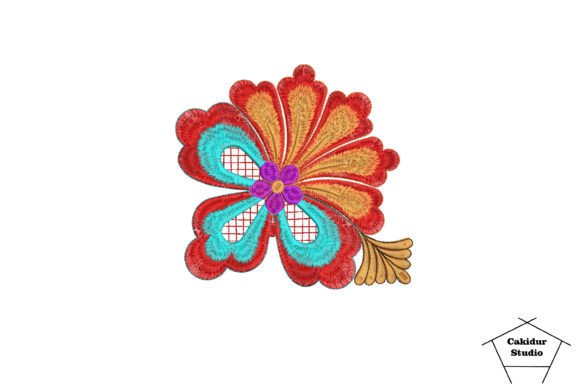
The initial impression of First Zen Flower is one of balanced elegance. The title suggests a calming, minimalist approach, and the description confirms it is designed to make your designs look "out of this world" while providing an "adorable accent." For a business owner, this duality is crucial. You need a design that is friendly enough to invite customer engagement yet professional enough to justify a premium price point.
This pattern does not scream for attention with chaotic details; instead, it offers a refined presence. It feels modern and decorative, suitable for brands that value clarity and peace. Whether you are running a boutique yoga studio, a serene spa, or a clean-lined coffee shop, the visual personality of this embroidery file aligns well with identities that prioritize wellness, nature, and thoughtful craftsmanship. It avoids the clutter that often plagues lower-quality digital embroidery files, making it a strong candidate for brands seeking a polished look.
Real-World Applications for Small Business Merch
The true test of any machine embroidery design is its versatility across different products. I evaluated First Zen Flower against several common use cases for small business merch and custom apparel.
- Embroidered Patches: This is perhaps the strongest application. A standalone flower works exceptionally well as an iron-on or sew-on patch. It allows customers to add a touch of branding to their existing jackets or bags without committing to a full garment purchase. The design’s structure suggests it would hold its shape well on a twill or felt backing.
- Apron Embroidery: For bakeries, florists, and craft studios, staff uniforms are walking billboards. Placing this flower on the chest pocket or corner of an apron adds a subtle mark of quality. It signals to customers that the staff takes pride in their presentation, enhancing brand identity through consistent visual cues.
- Tote Bag Design: Canvas tote bags are a staple for eco-conscious brands. The First Zen Flower serves as an excellent central motif or a corner accent. Because it is described as an "adorable accent," it likely scales well, allowing it to sit comfortably on a bag without overwhelming the fabric texture.
- Cap Embroidery: Front-panel caps require designs that are compact and robust. While I would need to check the specific stitch density, a single flower is generally ideal for headwear. It provides a recognizable logo element that remains visible from a distance, aiding in brand recognition.
Navigating Technical Challenges in Production
While the aesthetic is promising, experienced embroiderers know that beauty lies in the technical execution. There are specific areas where First Zen Flower requires careful handling to ensure the finished product meets professional standards.
Stitch Density and Fabric Texture: The description mentions sewing onto "any fabric," but as a designer, I advise caution. Delicate fabrics like silk or thin rayon may pucker if the stitch density is too high. Always test the design on a scrap piece of your actual production fabric. If the flower has dense satin stitches, you must use a appropriate stabilizer—likely a cut-away for stretchy fabrics or a tear-away for stable wovens—to prevent distortion.
Small Scale Details: If you intend to use this as a small chest logo or on a narrow cap strap, verify the minimum size. Intricate outlines can merge or break if scaled down too far. I recommend creating a printable mockup at the intended size to check for legibility before stitching the final piece.
Thread Color Contrast: The impact of this design relies heavily on thread colors. On dark uniforms, ensure you have sufficient contrast. A pastel flower on a navy blue shirt might get lost unless you use a underlay stitch effectively or choose brighter thread shades. Conversely, on light tote bags, subtle tonal variations can create a sophisticated, understated look that appeals to high-end buyers.
Enhancing Brand Identity and Customer Trust
Why invest in a high-quality embroidery file like First Zen Flower? Because it directly influences perceived value. In the realm of handmade products and Etsy branding, customers are buying into an experience. A cleanly embroidered flower suggests attention to detail, which translates to trust in the overall product quality.
When used consistently across design assets—from packaging accents to staff shirts—this motif helps build a cohesive brand identity. It moves your business from selling generic items to offering curated experiences. For example, a local pet brand using this flower on bandanas or leashes creates a sense of gentle care. A creative studio using it on notebook covers or pen cases reinforces a theme of organic creativity. This visual consistency is key to customer retention and brand loyalty.
Practical Designer Notes for Commercial Use
Before you integrate First Zen Flower into your commercial embroidery workflow, consider these practical steps to ensure success:
- Verify File Specifications: The product description does not list exact hoop size, stitch count, or file formats. Before purchasing, confirm that the digital embroidery file is compatible with your machine (e.g., PES, DST, JEF). Ensure the hoop size fits your intended application, especially for smaller items like caps.
- Check Commercial Licensing: Always confirm the license terms. Can you use this design on items for sale? Most professional designers offer commercial licenses, but it is vital to read the fine print to avoid legal issues with your small business merch.
- Create Client Mockups: If you are designing for a client, use the embroidery file to create a realistic printable mockup. Show them how the flower looks on a dark tee versus a light tote. This manages expectations and reduces revision rounds.
- Test Wash Durability: For items like aprons and work shirts that undergo frequent washing, test the design’s durability. Ensure the threads do not fray and the fabric does not puckering after multiple cycles. This step is crucial for maintaining professional reputation.
- Compare with Existing Assets: Place First Zen Flower beside your current logo or other design elements. Does it complement your existing style? It should feel like a natural extension of your brand, not an outlier.
In conclusion, First Zen Flower represents a versatile and potentially high-impact addition to your embroidery toolkit. Its strength lies in its adaptability across various mediums, from patches to apparel. By paying attention to technical details like stabilizer choice and thread contrast, you can leverage this Single Flowers design to elevate your brand’s physical presence. For small business owners and embroidery professionals alike, investing in such high-quality, adaptable motifs is a strategic move toward building a recognizable and trusted brand identity.