Mouse s Home: A Designer’s Review for Branded Merch
As an embroidery designer who has spent years digitizing and reviewing files for commercial use, I approach every new machine embroidery design with a critical eye. It is not just about whether the image looks cute on a screen; it is about how it performs under the needle, how it holds up after washing, and most importantly, how it serves the brand identity of the small business owner using it. Today, I am reviewing Mouse s Home, a charming piece from the Animals category that promises to add a unique accent to various fabrics. For boutique owners, Etsy sellers, and apparel decorators, understanding the practical application of this design is crucial before adding it to your library of design assets.
First Impressions: Visual Personality and Brand Fit
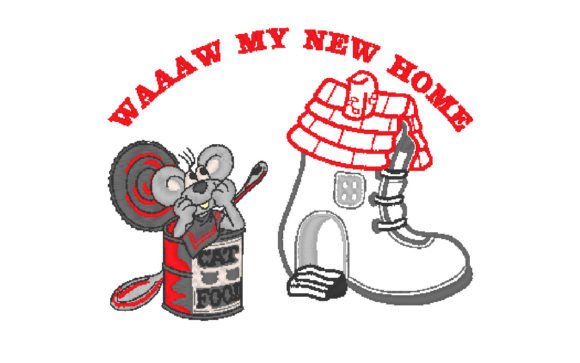
The title Mouse s Home immediately evokes a sense of warmth, nostalgia, and whimsy. In the world of branding, these are powerful emotional triggers. When I first examine the preview for this embroidery file, I look for clarity and balance. Does it feel professional? Is it too cluttered? Based on the description stating it gives a "nice look to your fabrics," we can infer a design that prioritizes aesthetic appeal over complex, high-density filling. This suggests a style that is likely friendly, handmade, and decorative rather than overly corporate or rigid.
For a small business, such as a local bakery, a children’s bookstore, or a pet supply shop, this visual personality is a goldmine. It communicates approachability. However, for a high-end tech firm or a minimalist architectural studio, this design might feel out of place unless used ironically or in a very specific, playful context. The key takeaway here is that Mouse s Home thrives in environments that value comfort, creativity, and a personal touch. It aligns perfectly with the current trend of "cottagecore" and rustic chic aesthetics that dominate many handmade markets.
Real-World Applications for Small Business Merch
Let’s move beyond theory and discuss where this design actually works in a commercial setting. The versatility of a digital embroidery file lies in its adaptability. Here is how I envision Mouse s Home performing across different product lines:
- Embroidered Patches: This is perhaps the strongest use case. A well-digitized animal design makes for an excellent iron-on or sew-on patch. Patches allow customers to buy a low-cost item that still feels premium. You can sell these as standalone accessories or use them to upgrade plain denim jackets and tote bags.
- Apron Embroidery: For cafes, florists, and bakeries, staff uniforms are walking billboards. Placing Mouse s Home on the chest pocket or the lower corner of an apron adds a layer of charm that customers notice. It softens the professional look and invites conversation.
- Tote Bag Design: Canvas tote bags are staples for eco-conscious brands. Because canvas has a visible weave, a design with clear outlines and moderate stitch density works best. This design could serve as a central focal point or a repeated pattern element, enhancing the perceived value of the handmade product.
- Cap Embroidery: Using this on the front panel of a dad hat or baseball cap requires careful scaling. If the design includes fine details, they may get lost on the curved surface. However, as a side-panel accent or on a beanie, it could provide a subtle, stylish nod to the brand’s theme.
- Customer Gifts and Packaging: Small businesses often include freebies to build loyalty. A small embroidered tag or a mini patch featuring Mouse s Home included in a shipment creates a memorable unboxing experience.
Technical Considerations and Production Risks
While the aesthetic appeal is strong, we must address the technical realities of commercial embroidery. The product description notes that the design comes with multiple file formats, which is standard and essential for compatibility with various machines. However, it does not specify stitch count, density, or recommended hoop size. As a professional, I advise you to proceed with caution and perform rigorous testing.
Stitch Density and Fabric Texture: If Mouse s Home has high stitch density, it may cause puckering on lightweight fabrics like silk or thin cotton. Always test on a scrap piece of your actual production fabric. If you are embroidering on textured materials like terry cloth towels or heavy denim, you may need to adjust the underlay stitches or use a cutaway stabilizer to ensure the design remains flat and crisp.
Scale and Legibility: One common mistake is shrinking a detailed design too much. If you plan to use this as a small chest logo on a polo shirt, ensure that the intricate parts of the mouse or its "home" elements do not merge into a blob of thread. Zoom in on your digitizing software. If the gaps between colors are less than 0.5mm, you risk thread breaks and poor registration. For small applications, consider simplifying the color palette to reduce jump stitches and improve clarity.
Thread Colors and Contrast: The success of this design heavily depends on your choice of thread colors. On dark uniforms, you will need bright, contrasting threads to make the design pop. On light pastels, subtle tonal variations can create a sophisticated, elegant look. I recommend creating a printable mockup with different colorways to show clients or to plan your inventory. Do not assume the default colors in the preview file are the only option; customizing the palette is part of offering a premium service.
Enhancing Brand Identity and Customer Trust
Why go through the trouble of embroidering when printing is cheaper? The answer lies in perceived value. Embroidery signals quality, durability, and attention to detail. When a customer sees Mouse s Home stitched onto a garment, they subconsciously associate that tactile quality with your brand. It builds trust. It says, "We care about the finish."
Consistency is also vital. If you use this design across your small business merch—from employee badges to packaging inserts—it creates a cohesive visual language. This recognition helps customers remember your brand. For Etsy sellers, having unique, embroidered items sets you apart from competitors who rely solely on print-on-demand services. It allows you to charge a higher price point because the finished product offers tangible craftsmanship.
Practical Steps Before Full-Scale Production
Before you launch a full collection featuring Mouse s Home, follow this checklist to minimize waste and maximize quality:
- Check Licensing: Confirm the commercial licensing terms. The description mentions it is a machine embroidery design, but always verify if there are restrictions on the number of physical items you can produce or if attribution is required.
- Test Hoop Size: Ensure the design fits within your standard hoop sizes without requiring excessive re-hooping, which can lead to misalignment.
- Run a Black and White Test: Stitch the design out in black thread on white fabric. This removes the distraction of color and allows you to inspect the stitch structure, density, and outline clarity.
- Wash Test: Embroider a sample, wash it five times, and check for shrinkage, thread bleeding, or fabric distortion. Your clients will wash their items; your design must survive the process.
- Create Mockups: Use digital tools to place the design on various products. This helps you visualize scale and proportion before committing to expensive blanks.
In conclusion, Mouse s Home offers a delightful opportunity for businesses in the lifestyle, pet, and creative sectors to enhance their product offerings. By treating this embroidery file not just as art, but as a functional component of your brand strategy, you can create merchandise that resonates with customers and stands the test of time. Remember, the devil is in the details—test thoroughly, choose your materials wisely, and let the quality of your stitching speak for your brand.