Dog with Hat: A Designer’s Review for Small Business Merch
As an embroidery designer who has spent years digitizing and reviewing files for commercial use, I approach every new machine embroidery design with a critical eye. It is not just about whether a motif looks cute on a screen; it is about how it performs in the real world of small business merchandise. Today, I am reviewing Dog with Hat, a charming addition to the Dogs category that promises to give fabrics an extraordinary look. For boutique owners, Etsy sellers, and apparel decorators, understanding the practical application of this design is crucial before adding it to your digital library.
First Impressions: Visual Personality and Brand Fit
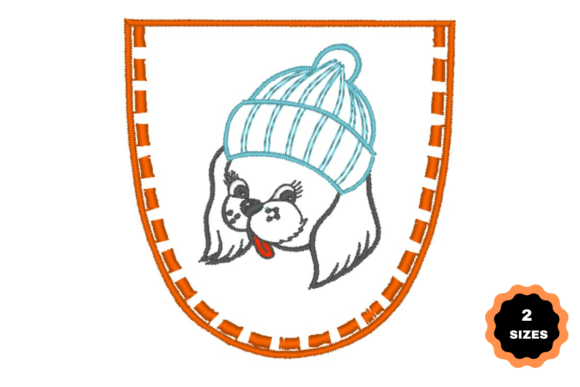
The initial appeal of Dog with Hat lies in its ability to balance playfulness with a touch of whimsical elegance. The description notes that this adorable embroidery will give your fabrics an extraordinary look, and from a design perspective, this suggests a motif that serves as a strong focal point. The inclusion of a hat adds a layer of personality, moving the design beyond a generic animal silhouette into something with character. This makes it particularly suitable for brands that want to project a friendly, approachable, and handmade aesthetic.
For a local café, a pet grooming studio, or a children’s boutique, this design feels right at home. It does not scream "corporate sterile"; instead, it invites connection. When evaluating brand identity, consistency is key. If your brand voice is warm, community-focused, and slightly rustic or modern-playful, Dog with Hat aligns perfectly. However, for high-end luxury fashion houses requiring minimalist abstraction, this might feel too decorative. Knowing where your brand sits on the spectrum helps determine if this digital embroidery file is a good investment.
Real-World Applications for Small Business Merch
The true test of any embroidery file is its versatility across different products. Here is how Dog with Hat performs in various commercial scenarios:
- Embroidered Patches: This is perhaps the strongest use case. An embroidered patch featuring this design can be sewn onto denim jackets, canvas bags, or hats. Patches allow for higher stitch density without worrying about fabric puckering, making the details of the hat and the dog’s features pop.
- Staff Uniforms and Aprons: For bakeries, florists, or pet shops, staff attire is a walking billboard. Apron embroidery with this motif on the chest pocket area creates a cohesive team look. It adds a personal touch that customers appreciate, enhancing the perceived value of the service.
- Cap Embroidery: Placing Dog with Hat on the front panel of a baseball cap is a popular choice for casual wear brands. However, curved surfaces require careful digitizing. Ensure the design is not too wide, or it will distort around the curve of the cap.
- Tote Bag Design: Canvas tote bags are staples for eco-friendly brands. A centered or corner-placed tote bag design using this motif turns a simple utility item into a desirable accessory. The contrast between the thread colors and the natural canvas texture can create a lovely rustic vibe.
- Custom Apparel: Whether it is a baby onesie or a adult t-shirt, this design works well as a chest logo accent or a sleeve detail. It serves as a subtle branding element rather than an overwhelming graphic.
Technical Considerations and Production Challenges
While the aesthetic is appealing, professional execution requires attention to technical details. The product description mentions that the machine embroidery design comes with multiple embr, which likely refers to multiple formats or hoop sizes. This is a significant advantage, but it also places the responsibility on you, the creator, to select the correct size for your project.
Stitch density is a critical factor. If the design is too dense for lightweight fabrics like jersey knits or silk, it will cause puckering and stiffness. Always test on a scrap piece of your actual production fabric. For darker uniforms or navy blues, you must review thread colors carefully. A dark brown dog on a black shirt will vanish. You may need to adjust the palette to include lighter outlines or highlights to ensure visibility.
Another consideration is the hoop size. If you are producing small items like coin purses or baby bibs, ensure you have the version of the file that fits a 4x4 inch hoop. Trying to shrink a large design to fit a small hoop can result in lost detail and increased stitch density, leading to thread breaks and poor quality.
Fabric Texture and Stabilizer Selection
The interaction between the needle and the material defines the finished product. For textured fabrics like towels or heavy denim, the design needs sufficient underlay stitches to anchor properly. Using the wrong stabilizer can ruin even the best-digitized file. For stretchy fabrics used in custom apparel, a cut-away stabilizer is often necessary to maintain shape after washing. For woven fabrics like tote bags, a tear-away might suffice, but testing is non-negotiable.
Impact on Brand Identity and Customer Trust
In the world of small business merch, details matter. A poorly executed embroidery job can detract from brand credibility, while a crisp, clean design builds trust. Dog with Hat, when stitched correctly, signals quality. It shows that you care about the presentation of your products. This attention to detail enhances customer trust and encourages repeat business.
Furthermore, unique design assets like this help differentiate your brand in a crowded market. When customers see a consistent visual theme across your printable mockup images, social media, and physical products, it reinforces brand recognition. Whether used as a customer gift with purchase or as part of a limited-edition collection, this design adds emotional value. It transforms a standard item into a keepsake.
Practical Designer Notes for Implementation
Before you launch a full production run using Dog with Hat, follow these steps to ensure success:
- Test in Black and White: Before committing to colorful threads, stitch the design in black thread on white fabric. This reveals the clarity of the outlines and the balance of positive and negative space.
- Check Small Patch Sizes: If you plan to use this on small labels or tags, verify that the details of the hat and the dog’s face remain distinct. Fine details can merge together at smaller scales.
- Review Thread Color Contrast: Use a color wheel to select threads that stand out against your base fabric. High contrast ensures the design is visible from a distance.
- Inspect Spacing: Look for areas where stitches are too close together, which can cause jamming, or too far apart, which might show the fabric underneath unintentionally.
- Confirm Hoop Size: Match the file version to your machine’s capabilities. Do not attempt to resize beyond the recommended limits.
- Test on Real Fabric: Screen previews are not enough. Stitch a sample on the exact material you intend to sell.
- Create a Mockup for Client Approval: If you are doing work for a client, provide a printable mockup or a photo of the stitched sample. This manages expectations and prevents disputes.
- Verify Commercial Licensing: Always confirm the license terms associated with the digital embroidery file. Ensure you have the right to use it for commercial embroidery projects and selling physical goods.
In conclusion, Dog with Hat is a versatile and charming asset for any embroidery professional looking to add warmth and personality to their product line. By respecting the technical requirements of Embroidery production and aligning the design with your brand’s visual identity, you can create high-quality merchandise that resonates with customers. Whether it adorns a barista’s apron or a shopper’s tote, this design has the potential to become a beloved signature of your brand.