Palm Flower: A Designer’s Review for Craft Fairs
As an embroidery designer who has spent countless weekends behind a booth table, I know that not every machine embroidery design translates into a bestseller. Some designs look stunning on a screen but fail to capture attention in the chaotic environment of a handmade market. Today, I am reviewing Palm Flower, a pattern that promises elegance and versatility. My goal is to determine if this specific Floral motif is worth your time, thread, and fabric when preparing for your next big sales event.
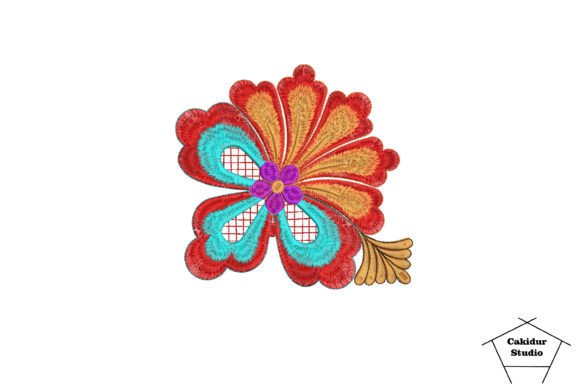
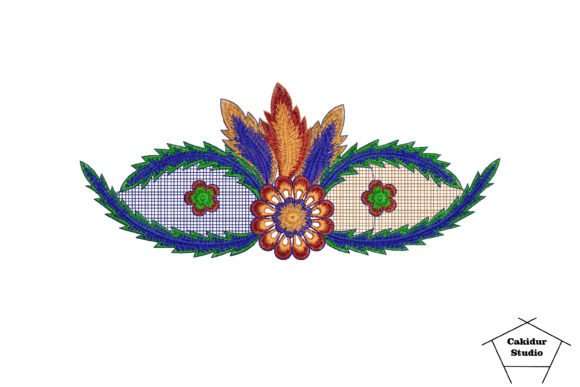
The product description defines Palm Flower as an elegant abstract floral motif. It is detailed enough to serve as a background ornament yet flexible enough for color changes. For those of us running small businesses, this flexibility is crucial. Let’s break down how this design performs in the real world of commercial embroidery and retail.
First Impressions: Elegance Meets Versatility
When I first loaded the digital embroidery file into my software, the immediate impression was one of refined simplicity. The term "abstract" can sometimes signal confusion, but here it suggests a modern, artistic approach rather than a literal botanical illustration. This makes Palm Flower feel premium and contemporary. It does not scream "rustic" or "farmhouse" exclusively; instead, it sits comfortably in a modern minimalist aesthetic. This broad appeal is vital for a craft fair product because it attracts a wider demographic, from young professionals looking for chic home decor to traditionalists who appreciate clean lines.
The ability to safely change colors is a significant selling point. In a booth setting, you need variety. A single design embroidered in sage green on linen speaks to a different customer than the same design in vibrant coral on a white canvas tote. Palm Flower allows for this experimentation without losing its structural integrity.
Product Application: Where Does It Shine?
To maximize profit, you must match the design to the right substrate. Based on the description of Palm Flower as a detailed background ornament, here is how it performs across various handmade products.
- Tote Bags and Market Bags: This is likely the strongest application. A large-scale tote bag design featuring Palm Flower creates an instant statement piece. The abstract nature means it pairs well with casual outfits, making it an impulse buy for shoppers carrying their own reusable bags.
- Tea Towels and Kitchen Linens: For tea towel embroidery, placement is key. Using this motif as a corner accent or a border element adds a touch of sophistication to everyday items. However, ensure the stitch density is not too high, as kitchen towels are often washed frequently and need to remain soft.
- Aprons: An apron embroidery project benefits from a central chest placement. The elegant lines of Palm Flower elevate a simple cotton apron into a giftable item for hostesses and chefs alike.
- Patches and Pouches: If scaled down correctly, this design works beautifully as an embroidered patch. Patches are low-commitment purchases for customers, allowing them to test your brand style. Similarly, small fabric pouches with this motif make excellent add-on items at checkout.
Production Practicality for the Busy Maker
Time is money. When preparing for a fair, you need designs that are repeatable and reliable. Palm Flower appears to be designed for efficiency. The description notes it can decorate any item needing a background ornament, implying it is not overly dense. Lower stitch density means faster run times and less thread consumption, which directly improves your profit margin on each small shop product.
However, "detailed" can be a double-edged sword. You must verify the hoop size requirements. If the details are too fine for a 4x4 hoop, you may be forced to use a 5x7 or larger, which limits the types of items you can embroider quickly, such as caps or small pockets. Always check the technical specifications of the embroidery file before committing to a production run.
Navigating Fabric and Texture Challenges
The success of Palm Flower depends heavily on fabric texture. On smooth cottons, linens, and canvas, the abstract lines will appear crisp and clean. However, on textured towels or thick denim, some of the finer details might get lost. I recommend testing the design on scrap fabric that matches your intended product line. Pay close attention to how the thread colors interact with the fabric. High contrast is generally better for visibility in a busy market setting, but tonal embroidery (same color thread as fabric) can look incredibly high-end if the lighting in your booth is good.
Be cautious with curved surfaces like caps. Abstract floral motifs can distort if the cap is not properly stabilized. Use a strong cut-away stabilizer to prevent puckering, which can ruin the elegant aesthetic of the design.
Visual Appeal and Brand Consistency
In a sea of handmade goods, visual cohesion builds trust. Palm Flower offers a consistent visual language that can tie your entire booth together. Imagine a display where your pillow covers, tote bags, and patches all feature variations of this same motif. This repetition creates a recognizable brand identity. Customers may not remember your shop name immediately, but they will remember the "elegant palm flower" items.
For Etsy sellers and online boutiques, this design is a dream for creating printable mockups. Because it is abstract and elegant, it photographs well against neutral backgrounds. High-quality images are essential for converting browsers into buyers. Ensure you create at least one real mockup to verify how the light hits the stitches, then use those images to create digital assets for your listings.
Designer Notes: Before You Stitch
Before you launch Palm Flower as a core part of your inventory, follow these critical steps to ensure quality control:
- Test on Scrap Fabric: Never skip this step. Check for thread breaks and registration issues.
- Check Thread Contrast: Ensure the design pops against your chosen fabric color. If selling on dark fabric, verify that the design includes underlay stitches sufficient to prevent the fabric from showing through.
- Review Spacing: If using multiple elements, ensure there is enough breathing room so the design does not look cluttered.
- Confirm Commercial Licensing: The description mentions it is a pattern, but always confirm the license terms. Ensure you have the right to sell finished products made with this design asset.
- Inspect Stitch Density: If the design is too dense for lightweight fabrics, you may need to adjust settings or choose heavier materials.
Ultimately, Palm Flower strikes a balance between artistic flair and commercial viability. It is not just a pretty picture; it is a strategic tool for your business. By understanding its strengths in versatility and ease of production, you can leverage this Floral Embroidery design to create a cohesive, attractive, and profitable product line. Whether you are a seasoned Etsy seller or a weekend warrior at the local farmers' market, this design has the potential to become a staple in your collection. Just remember to respect the technical limits of your machine and the unique properties of your fabrics, and Palm Flower will bloom into a successful venture.