Sports Runner Miniature: A Boutique Review
As an embroidery designer who spends countless hours digitizing and testing files for boutique apparel, I have developed a keen eye for what makes a machine embroidery design truly viable for commercial use. It is not just about the aesthetic appeal; it is about how the design behaves on fabric, how it translates to different garments, and whether it adds genuine value to a finished product. Recently, I came across Sports Runner Miniature on Creative Fabrica, and it immediately caught my attention for its potential in small-scale applications. This review explores how this abstract, fast-moving figure can elevate your next collection of custom apparel.
First Impressions: Minimalism Meets Motion
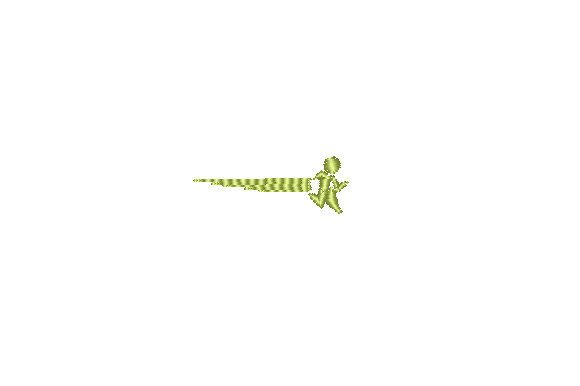
The first thing you notice about Sports Runner Miniature is its striking simplicity. Described as an abstract fast sports runner, this single-color design relies on clean lines and negative space to convey speed and energy. In a market saturated with overly complex, multi-colored logos, there is a refreshing quality to a design that trusts the viewer’s imagination. The visual personality is undeniably modern and minimal. It does not scream for attention; rather, it whispers sophistication.
For boutique brands, this subtlety is a powerful tool. The design feels premium because it avoids the clutter often associated with cheap promotional wear. It strikes a balance between playful and classic, making it versatile enough for kids’ clothes, baby textiles, and adult athletic wear. The stitching mood is light and airy, suggesting movement without weighing down the fabric. When I visualize this on a garment, I see a design that respects the textile rather than dominating it.
Strategic Placement for Sweatshirts and Hoodies
One of the most compelling aspects of this embroidery file is its mini-sized nature. The product description notes it is designed for the smallest of hoops, which opens up a world of placement opportunities that larger designs simply cannot achieve. For my upcoming sweatshirt and hoodie collection, I am particularly excited about chest placements. A small, abstract runner on the left chest of a neutral sweatshirt creates a focal point that is understated yet distinctive.
Beyond the chest, consider sleeve accents. Embroidering Sports Runner Miniature on the cuff or upper sleeve of an oversized hoodie adds a unique detail that customers love. It transforms a basic garment into a custom apparel piece with high perceived value. However, placement requires careful consideration. Because this is a mini design, it must be positioned precisely. On curved surfaces like sleeves or the rounded hem of a pocket, ensure your hoop stabilizes the area correctly to prevent distortion. The abstract nature of the runner means that slight misalignments might be less noticeable than with geometric logos, but professional presentation demands accuracy.
Versatility Across Apparel and Accessories
While sweatshirt embroidery is a primary use case, the versatility of this design extends far beyond fleece. Imagine this abstract runner on a denim jacket pocket, adding a touch of sporty chic to a rustic staple. Or consider its application on tote bags, where a single-color design stands out beautifully against canvas texture. For t-shirt embroidery, the lightweight nature of the stitching ensures it does not create uncomfortable bulk against the skin, a common complaint with heavier designs.
For Etsy sellers and small shop owners, this versatility is crucial for inventory management. You can use the same digital embroidery file across multiple product lines—baby onesies, youth tees, adult hoodies, and accessories. This consistency helps build brand identity. When customers see the same recognizable motif across different items, it reinforces brand recognition and trust. Furthermore, the single-color format simplifies production. You do not need to stop and change threads, which speeds up manufacturing and reduces the risk of thread breaks or color mismatches.
Navigating Fabric Textures and Stabilizers
Working with mini designs on varied fabrics requires technical precision. The product description mentions appropriateness for kids’ clothes and baby textiles, which are often soft and stretchy. When embroidering on fleece or ribbed fabric, the choice of stabilizer is critical. A cut-away stabilizer is generally recommended for stretchy materials to prevent the design from puckering over time. For woven fabrics like denim or canvas, a tear-away might suffice, but always test on scrap fabric first.
Fabric texture also plays a role in how the stitch density appears. On plush fleece, the stitches may sink slightly, so you might need to adjust your tension or use a topping to keep the design crisp. On smooth cotton, the abstract lines will appear sharp and defined. Always check the hoop size compatibility with your machine. Since this is designed for the smallest hoops, ensure your machine can handle the specific dimensions required. If the design is too small for your standard hoop, you may need a specialized mini-hoop attachment.
Enhancing Brand Value and Customer Engagement
In the world of commercial embroidery, details matter. A well-executed mini design can significantly enhance the perceived value of a garment. It suggests attention to detail and a commitment to quality that mass-produced items lack. For handmade product sellers, this is a key differentiator. When you showcase Sports Runner Miniature in lifestyle product photos or printable mockups, highlight the texture of the stitches against the fabric. Close-up shots of the embroidery on a cozy seasonal outfit can drive engagement on social media graphics and Etsy listings.
Moreover, the abstract nature of the runner allows for creative interpretation. It is not tied to a specific team or league, making it universally appealing. This neutrality is advantageous for boutique brands targeting a broad audience. Whether used for a fitness-themed collection or a casual everyday line, the design fits seamlessly. It encourages customer engagement by inviting them to appreciate the artistry of the stitch work rather than just the logo itself.
Practical Designer Notes for Production
Before integrating Sports Runner Miniature into your production workflow, there are several practical steps to take. First, confirm the specific file formats included in the download from Creative Fabrica. Ensure they are compatible with your embroidery machine software. While the description mentions it is appropriate for small hoops, verify the exact dimensions to plan your placement accurately.
Second, review the licensing terms. Creative Fabrica products often come with commercial licenses, but it is essential to read the specific details for this item to ensure you are compliant when selling finished apparel. Third, conduct thorough testing. Embroider the design on the actual fabric types you intend to use. Check thread color contrast; since it is a single-color design, the choice of thread can dramatically alter the look. A contrasting thread on dark apparel creates a bold statement, while a tonal thread on pastel hoodies offers a subtle, elegant effect.
Finally, inspect the stitch density. Mini designs can sometimes have dense stitching in small areas, which may cause puckering if not stabilized properly. Adjust your machine settings if necessary to ensure smooth execution. By taking these precautions, you ensure that every piece bearing Sports Runner Miniature meets the high standards expected of a professional boutique brand.
In conclusion, Sports Runner Miniature is a thoughtful addition to any embroidery designer’s library. Its abstract elegance, combined with its practical mini size, makes it an ideal choice for a wide range of apparel and accessory projects. By understanding its technical requirements and leveraging its aesthetic versatility, you can create standout pieces that resonate with customers and elevate your brand.