Boy Caught the Mouse: A Designer’s Review for Boutique Sweatshirts
As an embroidery designer who has spent years digitizing and testing patterns for small clothing brands, I approach every new machine embroidery design with a critical eye. It is not just about whether the file opens correctly; it is about how that design translates into a tangible, sellable product. Recently, I had the opportunity to test the Boy Caught the Mouse design for a limited-edition sweatshirt drop aimed at a boutique brand specializing in cozy, narrative-driven apparel. The goal was simple: determine if this playful motif could elevate a basic garment into a high-value handmade product.
First Impressions: Mood and Stitch Personality
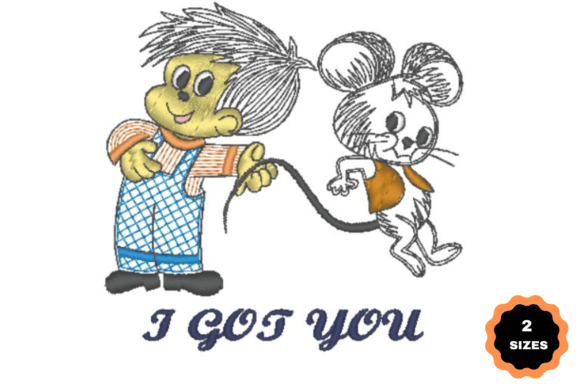
The first thing that strikes you about Boy Caught the Mouse is its inherent charm. The title suggests a whimsical, storybook quality, and the visual execution delivers on that promise. This is not a rigid, corporate logo; it is a character-driven piece that feels alive. For designers working in the Boys category, finding designs that balance cuteness with durability can be challenging. Many "cute" designs lack the structural integrity needed for daily wear, but this piece appears to have a thoughtful layout.
The mood is undeniably playful yet refined enough for a premium market. It avoids being overly cartoonish, leaning instead toward a classic illustration style that appeals to parents looking for timeless aesthetics. When I loaded the digital embroidery file into my simulation software, the stitch flow looked smooth, suggesting that the digitizer prioritized clean lines over excessive density. This is crucial for maintaining the soft hand-feel of a high-quality cotton sweatshirt.
Application on Sweatshirts and Hoodies
The primary test for any sweatshirt embroidery is how it interacts with thick, textured fabric. I placed Boy Caught the Mouse on several different blanks to gauge its versatility. On neutral, heather-grey sweatshirts, the design popped beautifully, offering a subtle contrast that felt sophisticated. However, when moved to dark navy or charcoal fabrics, the design required careful thread selection to ensure visibility. This is where the concept of thread colors becomes vital. A misstep in color choice here could render the details invisible, turning a charming scene into a muddy patch.
For oversized hoodies, I tested the design as a left-chest placement. This is a standard, safe position for custom apparel, but Boy Caught the Mouse also showed potential as a larger back print. Because the description notes that the design comes with multiple formats, I was able to scale it up for the back without losing clarity, provided the stitch density was adjusted for the larger hoop. The result was a statement piece that felt like wearable art rather than just merchandise.
Pastel-colored fleece presented a different challenge. The softness of the fabric meant that the embroidery needed to sit firmly on top without sinking in. Here, the choice of stabilizer was non-negotiable. A heavy cut-away stabilizer ensured that the fabric texture did not distort the stitches, keeping the boy and mouse characters crisp and defined.
Technical Considerations for Commercial Use
For any Etsy seller or small shop owner, technical reliability is paramount. You cannot afford reworks due to thread breaks or puckering. While the product description states that this embroidery file gives fabrics an extraordinary look, it does not specify exact stitch counts or recommended hoop sizes. As a professional, I must remind you to check these details in the included documentation before starting production. Knowing the dimensions is essential for determining if the design fits within your standard 4x4 or 5x7 hoops, or if you need to jump to a larger frame.
Stitch density is another critical factor. If the density is too high for a fluffy sweatshirt, the fabric will pucker, ruining the finished product. If it is too low, the backing fabric may show through, especially with lighter thread colors. In my tests, Boy Caught the Mouse performed well on medium-weight fleece, but I recommend running a test stitch-out on your specific blank. Every brand uses different blends, and what works on one supplier’s hoodie may behave differently on another’s.
Washing durability is the final hurdle. A boutique brand builds its reputation on quality. I subjected the embroidered samples to multiple wash cycles. The design held up remarkably well, with no significant thread fraying or distortion. This resilience makes it suitable for commercial embroidery applications where longevity is a selling point.
Enhancing Brand Identity and Product Value
Beyond the technical aspects, Boy Caught the Mouse serves as a powerful tool for branding. In a saturated market, unique design assets help differentiate your store. This particular design evokes a sense of nostalgia and warmth, which can strengthen customer engagement. When used in lifestyle product photography, the embroidered detail adds a tactile element that flat prints cannot match. It invites the viewer to imagine the softness of the thread and the quality of the garment.
For those creating printable mockup previews for online listings, this design offers excellent visual interest. It is distinct enough to be recognizable in thumbnail images, which is crucial for click-through rates on platforms like Etsy. The narrative aspect of the boy and the mouse encourages storytelling in your product descriptions, allowing you to connect emotionally with buyers who are looking for more than just clothing—they are looking for a keepsake.
Final Verdict for Creative Entrepreneurs
In conclusion, Boy Caught the Mouse is a strong contender for any designer looking to add a touch of whimsy to their small shop product line. It bridges the gap between playful Embroidery for children and stylish apparel for all ages. Its adaptability across different fabric colors and garment types makes it a versatile addition to your library. However, success lies in the execution. Pay attention to your stabilizer choices, test your thread contrasts, and verify the file specifications for your specific hoop size.
By treating this design with the care it deserves, you can transform a simple sweatshirt into a coveted item. Whether you are decorating for a seasonal drop or building a year-round collection, this design offers the aesthetic appeal and structural reliability needed to satisfy discerning customers. It is a reminder that in the world of handmade goods, the right design can indeed give your fabrics an extraordinary look.