Reviewing Happy Valentine’s Day Embroidery Design
As a designer who spends half my life staring at stitch previews and the other half untangling thread jams, I approach every new machine embroidery design with a healthy dose of skepticism. We have all been there: you download a file that looks perfect on the screen, only to watch it turn into a puckered mess on actual fabric. That is why I took a close look at the Happy Valentine’s Day design before committing it to any client work or personal projects. This is not just about whether it looks cute; it is about whether it holds up under the needle.
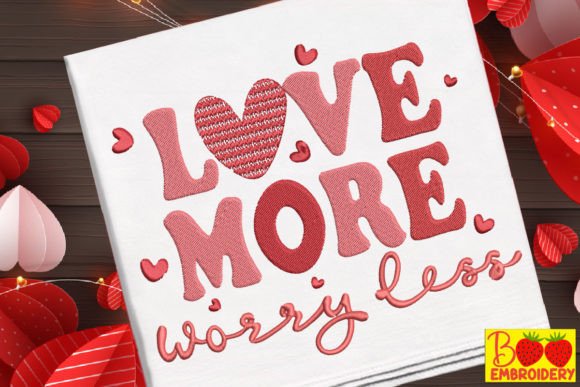
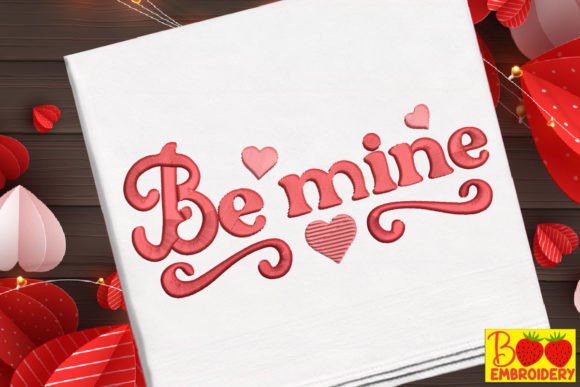
The first impression of this design is warm and inviting. It captures the essence of the holiday without relying on overly cliché or cluttered imagery. The layout feels balanced, suggesting a thoughtful approach to spacing and visual weight. For those of us creating handmade products, this initial aesthetic check is crucial. If the design does not read well at a glance, it will not stop a scroller on Instagram or catch a buyer’s eye at a craft fair. The mood here is celebratory yet refined, making it versatile enough for both playful children’s items and more subdued adult apparel.
Real-World Application: The Tote Bag Test
To truly evaluate an embroidery project, you have to imagine it on a specific product. I visualized this design centered on a natural canvas tote bag design. Canvas is a forgiving medium, but it reveals issues with stitch density quickly. In this scenario, the Happy Valentine’s Day motif would serve as a standout feature. Because the design likely utilizes a mix of fill stitch areas for solidity and satin stitch borders for definition, it should sit nicely on the textured surface of cotton canvas.
However, context matters. If you are an Etsy seller planning to use this for a line of personalized gifts, consider how the design interacts with the item’s function. A tote bag gets tossed around, washed, and overloaded. The design needs to be robust. From what I can see in the preview, the lettering and graphical elements appear substantial enough to withstand regular use, provided you use the correct stabilizer. This is where many beginners fail. Do not skip the cut-away stabilizer for stretchy fabrics or tear-away for stable wovens. Your finished product depends entirely on this foundation.
Versatility Across Product Lines
Beyond tote bags, this design has strong potential for custom apparel. Imagine it embroidered on the chest of a heather grey sweatshirt. The contrast between the soft fabric and the crisp embroidery threads creates a high-value look. For sweatshirt embroidery, you must pay attention to the hoop size. Ensure the design fits comfortably within your standard 5x7 or 4x4 hoop without needing excessive re-hooping, which can lead to alignment errors.
For those in the baby embroidery niche, this design could work beautifully on bibs or onesies, but with caveats. Babies have sensitive skin, so the back of the embroidery must be clean. Check the stitch density carefully. If the design is too dense, it will feel stiff and scratchy against delicate skin. In such cases, using a soft backing or ensuring your tension is perfectly balanced is non-negotiable. Additionally, for holiday embroidery projects like pillow covers or kitchen towels, the design adds a seasonal touch that customers love to buy as impulse additions to their cart.
Technical Considerations for Professional Results
Let’s talk about the technical side, because this is where a craft business separates itself from hobbyists. The product description notes that this digital embroidery file comes in multiple formats. This is essential for compatibility across different machine brands, whether you are running Brother, Janome, or Bernina equipment. However, having the file format is only step one.
You must inspect the thread colors suggested by the design. While the default palette might be reds and pinks, do not be afraid to experiment. A monochromatic look using varying shades of cream on white linen can look incredibly sophisticated for a boutique brand. Conversely, high-contrast thread colors pop better on dark fabrics. Speaking of dark fabrics, if you plan to stitch this on black or navy, consider using a lighter underlay or testing for show-through. Nothing ruins a professional embroidered patch or garment than seeing the white bobbin thread peek through the top stitches.
Another critical factor is the hoop size relative to the design dimensions. Always measure the actual stitch area, not just the bounding box. If the design includes intricate corners or tiny details, ensure your machine can handle the precision required. Small details can get lost if the stitch count is too low or if the fabric texture is too rough. For textured fabrics like terry cloth or fleece, you might need to adjust the pull compensation or use a topping to keep the stitches sitting on top of the pile rather than sinking in.
Commercial Use and Brand Consistency
For commercial embroidery professionals, licensing is paramount. Before selling any small shop product featuring this design, confirm the license terms. Most designers allow selling finished physical items, but restrictions often apply to sharing the digital file itself. Respect intellectual property to maintain your reputation in the maker community.
From a branding perspective, consistency is key. If your brand is known for minimalist aesthetics, ensure this design aligns with that vibe. If your brand is playful and colorful, this Happy Valentine’s Day design fits perfectly. Use printable mockup tools to visualize how the design looks on various products before you stitch a single thread. This saves time and materials, allowing you to present a polished portfolio to potential clients.
Final Verdict and Practical Tips
In summary, the Happy Valentine’s Day design offers a solid foundation for a variety of design assets. It is not just a graphic; it is a tool for creating emotional connections through personalized gift giving. To get the best results:
- Always test the design on scrap fabric similar to your final material.
- Check the stitch density and adjust tension if necessary.
- Use appropriate stabilizer for the fabric type.
- Verify the hoop size requirements against your machine’s capabilities.
- Experiment with thread colors to match your brand palette.
- Confirm licensing terms for commercial embroidery use.
Whether you are creating a custom apparel line, preparing holiday embroidery gifts, or stocking your Etsy seller shop with unique items, this design holds promise. It requires the same care and attention to detail as any professional applique design or complex motif. Treat it with respect, test it thoroughly, and it will likely become a reliable staple in your embroidery project rotation. The difference between a good product and a great one is often in the preparation, so take the time to get it right. Your customers, and your machine, will thank you.