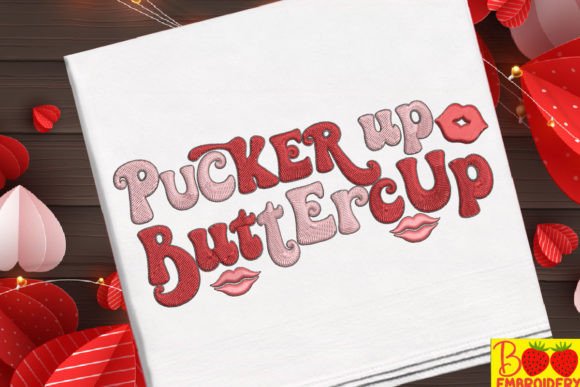
Pucker Up Buttercup: A Designer’s Review
As an embroidery designer who has spent years digitizing and testing files for commercial use, I approach every new machine embroidery design with a critical eye. It is not enough for a pattern to simply look cute on a screen; it must perform under the needle, withstand washing, and elevate the brand it represents. Recently, I reviewed Pucker Up Buttercup, a Valentine’s Day-themed design that promises versatility across shirts, aprons, hats, canvas, and towels. For small business owners, boutique operators, and merch creators, this review breaks down how this design functions in a real-world production environment.
First Impressions: Visual Personality and Brand Fit
The title Pucker Up Buttercup immediately suggests a playful, slightly sassy, and affectionate tone. In the context of branding, this is not a corporate or sterile aesthetic. It feels handmade, friendly, and approachable. For businesses in the bakery, florist, pet care, or local café sectors, this visual personality aligns perfectly with a customer experience that values warmth and personal connection.
When evaluating the design for brand identity, consider whether your business voice matches this energy. If you are running a high-end luxury spa, this might be too casual. However, for a creative studio, a handmade shop, or an Etsy seller focusing on gift items, the playful nature of the design can significantly boost buyer engagement. It signals that the brand does not take itself too seriously but cares deeply about quality and charm.
Real-World Application for Small Business Merch
The true test of any digital embroidery file is its adaptability. Based on the product description, Pucker Up Buttercup is marketed for a wide range of substrates. Here is how I envision it performing in specific commercial scenarios:
- Embroidered Patches: This is perhaps the strongest use case. A well-digitized version of this design can serve as a standalone iron-on or sew-on patch. Patches allow you to create inventory without committing to embroidering every single garment. You can produce batches of patches and apply them to tote bags, jackets, or hats as orders come in.
- Apron Embroidery: For bakeries and coffee shops, staff uniforms are walking advertisements. Placing this design on the chest pocket or lower corner of an apron adds a touch of whimsy. It transforms a standard uniform into a conversation starter, enhancing the customer experience.
- Cap Embroidery: Hats are high-margin items for small businesses. However, the curved surface of a cap front requires careful placement. If the design includes text, ensure the arch matches the cap’s curve to prevent distortion during stitching.
- Tote Bag Design: Canvas totes are staples for boutiques and markets. The sturdy texture of canvas holds embroidery well, making this design a great accent for reusable shopping bags or event merchandise.
- Custom Apparel: T-shirts and hoodies featuring this design can be sold as seasonal Valentine’s Day merchandise. The key here is placement—center chest for a bold statement or left chest for a subtle, premium look.
Technical Considerations and Production Risks
While the aesthetic appeal is clear, professional embroidery requires technical precision. Before running a full batch of commercial embroidery, you must address several potential pitfalls associated with themed designs like Pucker Up Buttercup.
Stitch Density and Fabric Texture
One common issue with decorative designs is excessive stitch density. If the design is too dense, it can cause puckering, especially on lighter fabrics like t-shirts or thin towels. Always check the stitch count if provided. If the file is not available for inspection, run a test stitch-out on a scrap piece of your actual production fabric. Pay close attention to fabric texture; textured materials like terry cloth towels may require a different underlay strategy than smooth cotton canvas.
Small Patch Sizes and Detail Loss
If you plan to use this as a small logo accent or on a child’s garment, be wary of tiny details. Fine lines and small lettering can merge together when scaled down. I recommend testing the design at its smallest intended size first. If the text becomes illegible or the shapes blob together, you may need to simplify the design or increase the hoop size.
Thread Colors and Contrast
The success of this design relies heavily on thread colors. Since it is a Valentine’s theme, reds and pinks are likely dominant. Ensure these colors contrast sufficiently with your garment color. Embroidering pink thread on a white shirt may look washed out and unprofessional. Always create a printable mockup or digital proof to verify color visibility before starting production.
Enhancing Brand Identity and Customer Trust
Using a cohesive design like Pucker Up Buttercup across various touchpoints strengthens your brand identity. When a customer sees the same playful embroidery on their tote bag, their barista’s apron, and your packaging inserts, it creates a sense of reliability and professionalism. It shows that you have invested in custom assets rather than using generic clip art.
For handmade product sellers, this level of detail justifies higher price points. Customers perceive embroidered items as higher value than printed ones. By integrating this design into your small business merch, you are not just selling a product; you are selling a crafted experience. This builds trust and encourages repeat purchases, as customers feel connected to the care put into each item.
Practical Designer Notes for Implementation
To ensure the best results with this embroidery file, follow these practical steps before full-scale production:
- Test in Black and White: Before selecting your final palette, stitch the design in black thread on white fabric. This reveals any structural issues, such as gaps in coverage or uneven tension, without the distraction of color.
- Check Hoop Size Compatibility: Confirm the required hoop size for the design. Ensure your machine can accommodate it, and that the finished dimensions fit your intended garment area.
- Use Proper Stabilizer: The choice of stabilizer is critical. Use cut-away stabilizer for stretchy fabrics like t-shirts to prevent distortion over time. Use tear-away for stable fabrics like canvas or denim to keep the back clean.
- Verify Commercial Licensing: Before selling any items made with this design, confirm the license terms. Most digital files allow for commercial use up to a certain number of units, but restrictions vary. Protect your business by ensuring you have the right to sell the finished product.
- Create Client Mockups: If you are doing work for a client, provide a high-quality printable mockup showing the design on their specific apparel. This manages expectations and reduces the risk of dissatisfaction with the final look.
Final Verdict for Business Owners
Pucker Up Buttercup is a strong contender for businesses looking to add personality to their merchandise. Its versatility across aprons, caps, and totes makes it a valuable asset in your library of design assets. However, its success depends on proper execution. By paying attention to stitch density, fabric choice, and color contrast, you can transform this cute Valentine’s Day motif into a professional, revenue-generating product line.
Remember, the goal is not just to embroider a design, but to create a tangible representation of your brand. Whether you are an Etsy seller, a local boutique owner, or a custom apparel decorator, taking the time to test and refine this design will pay off in the quality of your final output. Always prioritize the durability and clarity of the embroidery to ensure your customers receive a product they are proud to wear and use.